
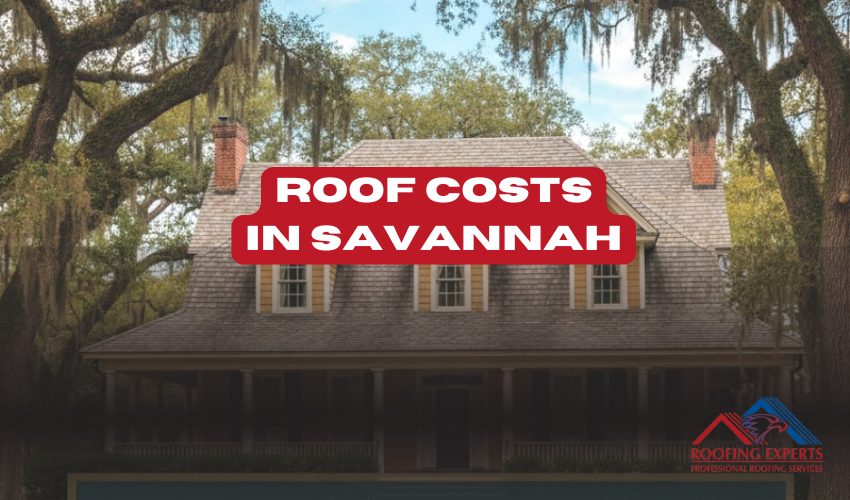
Are you looking for a price or information on the cost of a roof replacement in Savannah? While the exact cost of a new roof will vary based on the size and shingle type, we will give you the best answer in this guide!
There’s no single price for a roof replacement in Savannah, and anyone who says otherwise isn’t being honest. Costs depend on your home, your roof, and your material choices. This article gives Savannah homeowners a clear, realistic breakdown of roof replacement pricing, from averages to financing options, so you can make informed decisions with confidence.
What Is the Average Cost of Roof Replacement in 2026?
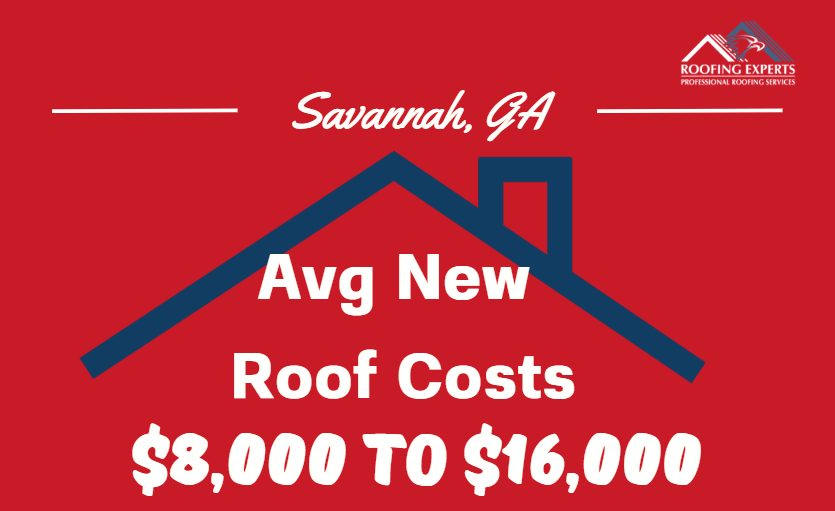
In 2026, the average roof replacement cost in the Savannah area typically ranges from $8,500 to $16,000, with some homes falling outside that range depending on size, materials, and roof complexity.
The wide range comes down to local realities like climate, but the biggest factor is simply size (square feet). Savannah’s coastal climate requires materials and installation methods that can handle heat, humidity, heavy rain, and storm season. That pushes costs higher than inland markets. Older homes in historic neighborhoods also tend to need more prep work, which affects pricing.
Most homeowners land in the middle of the range when:
- The roof size is average for the area
- The pitch is moderate
- Standard architectural shingles or metal are used
- No major decking repairs are required
Homes with extensive damage, steep slopes, or premium materials will sit closer to the top end. The key takeaway is this: there is no flat “Savannah price,” only a realistic range shaped by your specific roof.
How Does Roof Size and Complexity Affect Replacement Cost?
Two homes can use the same shingles and still have very different replacement costs. That’s because roof size and complexity change labor time, safety requirements, and material waste.
Here’s how it typically breaks down:
| Roof Characteristic | How It Impacts Cost | Why It Matters |
|---|---|---|
| Smaller, simple roof | Lower overall cost | Faster installation, less material waste |
| Large roof surface | Higher material cost | More shingles, underlayment, and labor hours |
| Steep pitch | Increased labor cost | Requires safety equipment and slower work |
| Multiple valleys | Higher complexity | More cutting, flashing, and waterproofing |
| Dormers and hips | Added labor time | More detail work and leak risk |
| Skylights or chimneys | Extra cost | Requires careful flashing and sealing |
What Are Typical Labor Costs for Roof Replacement?
Labor is one of the largest parts of a roof replacement bill, and in Savannah, it reflects both skill level and climate demands. On average, labor makes up 40 to 55 percent of the total roof replacement cost.
Labor costs cover more than installation:
- Removal and disposal of old roofing
- Protection of landscaping and property
- Installation of underlayment and flashing
- Shingle or metal installation
- Cleanup and final inspection
Savannah’s heat and humidity also factor into labor pricing. Crews must work safely, pace the job properly, and follow installation standards that protect the roof long term. Faster isn’t better if it leads to mistakes.
Lower labor bids often mean corners are being cut. Proper labor pricing usually reflects experienced crews, correct installation methods, and accountability after the job is done. For homeowners, paying for quality labor upfront often prevents leaks, repairs, and premature replacement later.
Which Roofing Materials Affect Roof Replacement Cost the Most?
Roofing materials are one of the biggest levers in your total replacement cost — sometimes bigger than labor or roof size. In Savannah, where heat, humidity, rain, and occasional storms are part of life, the material you choose determines how long the roof lasts and how much you’ll pay up front and over time.
Some materials require more expertise to install. Some require heavier decking or special underlayment to protect against moisture and wind. Some cost more because they simply last longer.
The three categories that most dramatically shift replacement costs are:
- Asphalt shingles — typically the lowest upfront cost and most common
- Metal roofing — higher material and labor cost, but longer service life
- Tile or slate — premium materials with premium pricing and structural requirements
Each of these groups affects the total cost because of differences in:
- Material price per square foot
- Installation difficulty
- Lifespan and maintenance requirements
- Local contractor demand and expertise
Your choice here is not just about price. It’s about how the roof performs in Savannah’s weather over 10, 15, 20+ years.
How Much Do Asphalt Shingles Cost Compared to Metal or Tile Roofing?
Here’s a simple side-by-side snapshot of how common roofing materials stack up in cost — based on 2026 Savannah area pricing trends.
| Material Type | Typical Material Cost per sq. ft.* | Typical Installed Cost per sq. ft.* | Expected Lifespan |
|---|---|---|---|
| Asphalt shingles (standard) | Low | Low–mid | 15–25 years |
| Asphalt architectural | Mid | Mid | 20–30 years |
| Metal roofing (steel/aluminum) | Mid–high | High | 30–50 years |
| Tile roofing (clay/concrete) | High | Very high | 50+ years |
| Slate roofing | Very high | Very high | 75+ years |
*Actual pricing varies based on brand, style, and local labor conditions.
In practical terms, for Savannah homeowners:
- Asphalt shingles are budget-friendly and perform well if installed correctly.
- Metal roofs cost more upfront, but resist Savannah’s humidity and storm conditions better.
- Tile or slate roofs are premium choices that enhance aesthetics and longevity but require robust roof framing and a significantly higher investment.
This cost comparison doesn’t just help with budgeting. It also highlights how material choice impacts long-term value and expected replacement cycles.
What Are the Pros and Cons of Popular Roofing Materials?
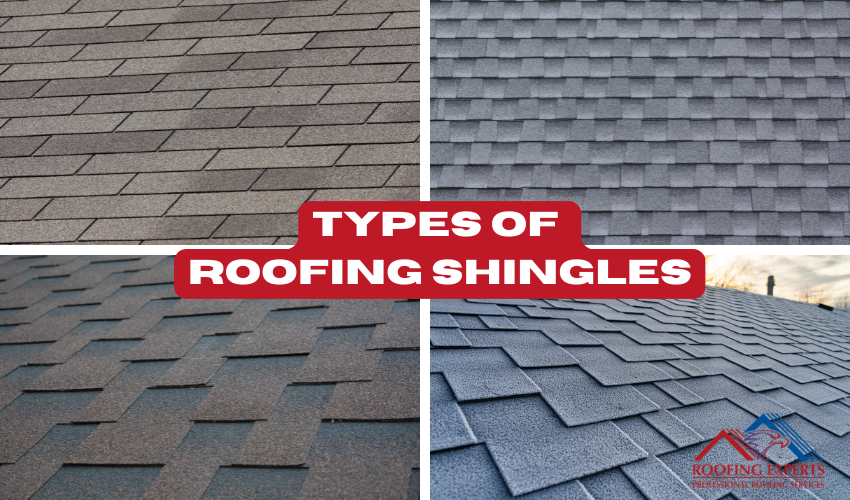
Here’s a practical breakdown of the most common options for Savannah homes:
Asphalt Shingles
Pros:
- Affordable upfront investment
- Large variety of colors and styles
- Easier and faster installation
- Widely understood by local roofers
Cons:
- Shorter lifespan than metal or tile
- Can degrade faster in prolonged sun and heat
- More frequent replacement cycles
Metal Roofing (Steel or Aluminum)
Pros:
- Excellent durability in coastal conditions
- Reflects heat for better energy efficiency
- Can last 30–50 years or more
- Lower maintenance in many cases
Cons:
- Higher initial cost
- Requires experienced installation
- Noise during rain if not properly insulated
Tile Roofing (Clay or Concrete)
Pros:
- Longest lifespan (often 50+ years)
- Highly attractive and distinctive look
- Fire and storm resistant
Cons:
- Very high up-front cost
- Heavy — may require structural support
- Installation is labor-intensive
Slate Roofing
Pros:
- Best longevity (75+ years)
- Premium aesthetic and resale appeal
Cons:
- Very expensive
- Heavy and requires structural reinforcement
- The scarcity of skilled installers drives labor costs
Each material has a place depending on your goals: budget, home style, resale value, or performance in Savannah’s climate. Thoughtful material choice helps ensure your roof doesn’t just shelter your home — it protects it for decades.
What Key Factors Influence the Total Roof Replacement Price?
Wow. Two Savannah homes on the same street can receive roof quotes that differ by thousands of dollars. That’s not a mistake. That’s how many variables go into a roof replacement. If you want a number that actually makes sense for your home, the smartest move is to get a local, on-site quote from us. It’s the only way to account for everything that drives real cost.
Here are the biggest factors that shape the final price:
- Extent of existing damage. Hidden rot or water damage under old shingles can push costs higher once the decking is exposed.
- Roof size and layout. More surface area means more materials and labor.
- Material choice. Asphalt shingles, metal, and roof tiles all have very different price points and installation requirements.
- Scope of work. A full replacement costs more than a partial roof repair, but it also resets the clock on future issues.
- Access and safety needs. Steep roofs or tight property lines slow crews down and increase labor time.
Because of these variables, online averages only tell part of the story. A professional inspection helps determine the true cost of the roof estimate before surprises arise mid-project.
How Do Location and Local Market Pricing Impact Roof Replacement Costs?
It is important to note that labor is included in new roof pricing. When a roofing company says the price is $400 per square, that includes the tear-off of your old roof, new underlayment, roofing shingles, and installation.
That said, local factors that affect pricing include:
- Coastal weather exposure. Materials and installation methods must handle heat, humidity, heavy rain, and storm season.
- Labor demand. Busy seasons and the availability of skilled labor affect rates.
- Neighborhood requirements. Historic districts and HOA rules can limit material choices or require special approvals.
- Disposal and logistics. Dump fees, access routes, and site protection vary by area.
These factors could lead to increasing labor rates. However, most cost increases are due to rising material costs! Insurance also plays a role. Home insurance may cover part of the replacement if damage is storm-related, but coverage depends on policy details and inspection findings.
What Role Do Permits, Inspections, and Roof Pitch Play in Cost?
Permits, inspections, and roof pitch don’t just add numbers to an invoice. They protect the homeowner long term.
- Permits ensure the roof meets local building codes and can affect resale and insurance claims later.
- Inspections verify proper installation and catch issues early, reducing future water damage risk.
- Roof pitch directly impacts labor. Steeper roofs require more safety equipment, slower installation, and higher skill levels, which increases cost.
Financing often comes into the conversation here. Some homeowners use savings, while others consider options like a home equity loan to spread costs over time, especially for larger or higher-end replacements.
When permits are skipped, inspections are ignored, or the pitch is underestimated, problems usually surface later. Getting the process right upfront helps avoid repeat repairs, denied insurance claims, and unexpected expenses.
How Can You Finance Your Roof Replacement?
A roof replacement is one of the largest home expenses most Savannah homeowners face, and few people plan to pay for it all at once. The good news is that financing options make it possible to replace your roof when you need it, not months or years later, after damage spreads.
Financing a roof replacement allows you to:
- Address leaks and water damage before they affect framing or interiors
- Avoid emergency repairs that cost more long-term
- Choose better materials instead of settling for the cheapest option
- Spread the cost into manageable monthly payments
A professional roofer can also help determine whether insurance coverage applies before financing becomes necessary.
What Are Common Roof Replacement Loan and Payment Plan Options?
There’s no one-size-fits-all solution. The best option depends on your financial situation, timeline, and the scope of work. Here are the most common ways Savannah homeowners pay for roof replacements.
1. Home equity loans or lines of credit.
These often offer lower interest rates because they’re secured by your home. Many homeowners use them for full replacements or premium materials. Approval depends on equity and credit history.
2. Contractor financing programs
Some roofing companies offer in-house or partner financing. These plans are designed specifically for roof replacements and often include fixed payments and clear terms. They’re popular for homeowners who want a fast, straightforward process.
Personal loans
Personal loans don’t require home equity and can be approved quickly. Interest rates are usually higher, but they work well for smaller projects or when speed matters.
Insurance-assisted replacements
If storm damage is involved, home insurance may cover part of the cost. Financing can help bridge the gap between insurance payouts and total replacement cost.
Payment plans or staged payments
Some contractors offer payment schedules tied to project milestones. This helps homeowners manage cash flow while work is completed.
The Final Word on Roofing Costs
Online averages can’t tell you what your roof actually needs. A detailed, Savannah-specific estimate is how homeowners avoid surprises and protect their investment. When you’re ready for real numbers and honest options, expert guidance makes all the difference.
- Savannah Roofing Experts specialize in roofing, including metal, asphalt shingles, and commercial roofing.
- We can help with roof repairs and roof leak fixes.
- Recgonized as one of the best roofing companies in Savannah.
Comments are closed