
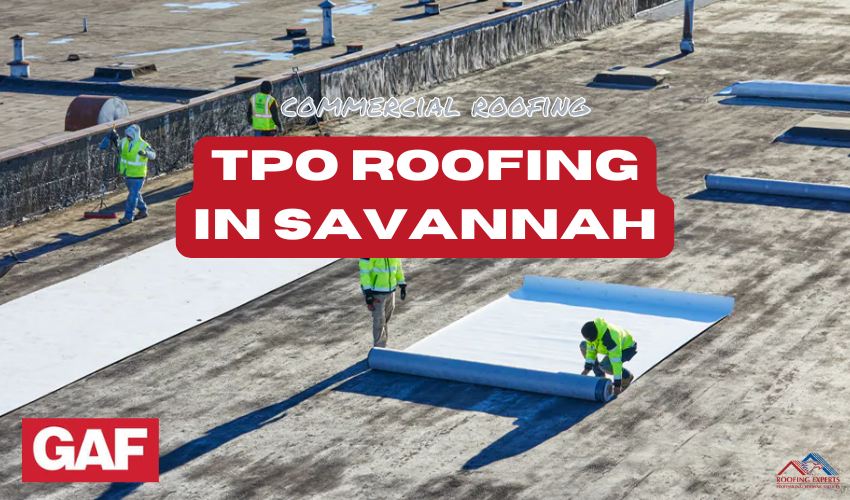
Looking for a commercial TPO roofing system in Savannah?
While TPO can outshine asphalt shingles, metal roofs, or old concrete systems in energy efficiency, it also demands skilled roof installation, consistent maintenance, and a crew that knows how to work around large air conditioning units. Ignore those details, and your next call will be for an emergency repair instead of a victory lap.
Before you trust just any roofing company to cover your commercial property or business, learn why TPO is growing in the commercial roofing sector and why it also sometimes fails. Keep reading to see if this roof is a smart investment for your commercial property.
How TPO Roofing Works &What Makes It So Popular in Savannah
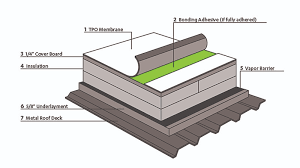
Think of TPO membranes as the modern answer to old concrete and EPDM rubber roofs that cracked and puddled after every Savannah storm. TPO stands for thermoplastic polyolefin, a single-ply material that gets heat-welded into wide, seamless sheets. Those welded seams aren’t just cosmetic; they help stop leaks better than glued systems ever could.
During a flat roof replacement, crews roll the membrane over insulation boards, secure it around edges and penetrations, and heat-fuse every joint to create a smooth barrier. Done right, this method keeps water from sneaking into hidden pockets and wrecking your insulation or decking. That detail alone is why many property owners are opting for TPO when planning a roof replacement or new construction project.
TPO’s bright surface also bounces back a huge chunk of Savannah’s brutal sunlight, lowering heat transfer and cutting cooling bills, a perk your insurance agent and power company both appreciate. And because reputable roofers back installations with strong warranties, many commercial and residential clients see it as a long-term shield against the unexpected.
Still, no material is magic. TPO can fail early if the installer cuts corners or uses cheap welds. That’s why you’ll hear experienced owners say the same thing: the product matters, but the hands putting it down matter more.
Pros of TPO Roofing
You don’t have to look far to see why TPO roofing systems have become the darling of Savannah’s flat roof scene. From new construction to big commercial upgrades, these membranes show up everywhere because they solve problems older materials couldn’t handle. If you’re still on the fence, here’s what makes TPO a smart bet for so many owners tired of patching bitumen or replacing cracked asphalt shingles.
- Energy Savings: TPO’s white surface reflects heat better than a metal roof, helping your rooftop units run cooler and lowering your power bills all summer.
- Durability Against Weather: Properly welded seams can shrug off heavy rain, high winds, and the occasional Savannah hail storm without splitting open.
- Easy Maintenance: Compared to older built-up systems, TPO is easier to inspect and repair, reducing unexpected costs and hidden moisture.
- Strong Warranty Options: Reputable installers stand behind TPO installations with warranties that often exceed those for asphalt shingles or EPDM.
- Adaptability: These membranes fit around vents, drains, and HVAC equipment without complicated flashing, making them a flexible choice for many roof layouts.
The best part? When installed by an experienced roofing crew, TPO can last decades without major problems. Just don’t confuse a lower maintenance schedule with no maintenance at all, every customer should plan for routine checks to keep their investment in top shape.
Cons of TPO Roofing:
No roofing material is perfect in terms of quality, durability, and affordability. The combination of all three is what you’re looking for; however, there are some drawbacks to using TPO, especially in Savannah.
TPO might sound like the perfect solution, and in many cases, it is. But every roofing system has a downside, and TPO roofs are no exception. The problem? Most of the red flags don’t show up until months or even years after installation. And by then, your warranty might already be useless, your insurance might deny coverage, and your budget could be buried under unexpected repairs.
Here’s are the cons to TPO roofing:
- Installer Skill Matters More Than You Think: TPO seams are heat-welded, not glued. If your contractor isn’t a trained expert, your roof becomes a giant patchwork of weak spots.
- Shortcuts Kill Longevity: Cheap or rushed TPO roof installation often skips proper insulation, edge detailing, or moisture barriers, reducing your roof’s longevity
- No UV Resistance Without Additives: Unlike EPDM rubber or certain asphalt shingle products, TPO can degrade under UV if the membrane isn’t treated properly.
- Limited Real-World Track Record: While newer formulas have improved, some earlier TPO products aged poorly. The lack of long-term field data can still worry owners investing in long-term residential roofing services.
- Warranty Voids Are Common: If your roofing services provider isn’t licensed and insured, or you skip maintenance, your warranty likely won’t hold. Always read the fine print.
Always go with a licensed and insured local pro who knows Savannah’s climate, and ask hard questions about the material, the install, and the real longevity you can expect.
TPO roofing costs in Savannah, broken down
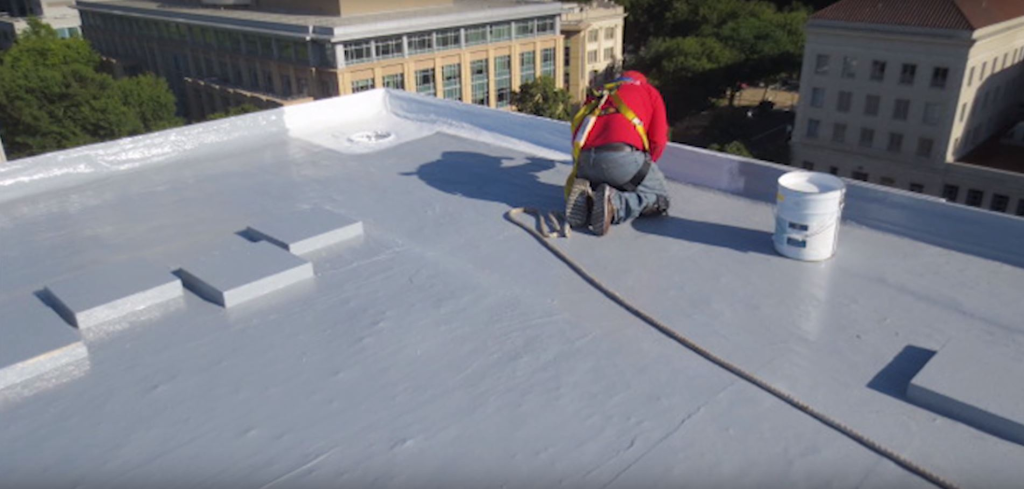
How much does TPO roofing cost? Compared to asphalt shingles, which is more costly, TPO or shingles?
We get these types of questions often, and the honest answer is this: the lowest quote for a TPO flat roof is often the one that ends up costing the most by year ten. Here’s what actually drives the installed price and how much you can expect to pay for TPO roofing:
| Cost factor | What it covers | Typical impact |
|---|---|---|
| Membrane and labor | TPO sheet, fasteners or adhesive, welded seams | $5 to $9 / sq ft installed |
| Membrane thickness | 45-mil vs 60-mil vs 80-mil | Higher mil = higher cost, longer life |
| Roof complexity | HVAC curbs, skylights, drains, pipe penetrations, flashing details | More welds and flashing = more labor |
| Tear-off and prep | Removing old roof, replacing wet insulation or rotted deck | Highly variable; unknown until opened |
| Insulation and cover board | Polyiso thickness for R-value, gypsum roof board | Real money, real performance |
| Attachment method | Mechanically fastened, fully adhered, or induction welded | Adhered costs more up front |
| Warranty | Contractor vs manufacturer-backed (GAF EverGuard, JM, Firestone) | Premium, but recognized by insurers |
Two line items deserve more weight than owners give them. Tear-off moves the budget more than anything else, because a coastal roof that’s been ponding water for years usually hides wet insulation you can’t see until the membrane is off. And a manufacturer-backed warranty tied to a certified roofer is the version an insurance carrier and a future buyer will actually honor.
The cheap contractor warranty is worth what you paid the day that contractor stops answering the phone.
TPO vs. Other Flat Roofs: Durability in Coastal Georgia
You could ask ten roofers what flat roofing system is “best” and get ten different answers, especially if two of them still swear by old-school bitumen. But in coastal Georgia, where humidity hits like a wall and summer storms aren’t optional, not all materials play nice with the climate.
TPO stands out for its reflectivity, clean seams, and cost-effectiveness, especially in commercial builds. But it’s not the only option on the table. EPDM is a time-tested workhorse, cheap and flexible—but it absorbs heat, which isn’t ideal under Savannah’s relentless sun. PVC offers chemical resistance and fire protection, but it’s pricier and less forgiving during installation. And then there’s bitumen, still clinging to life in some older buildings, thick, heavy, and cheap to repair, but high-maintenance and prone to bubbling under heat.
Some commercial clients even ask about metal roof options for low-slope areas, hoping to get extra longevity, but metal has its own drawbacks on flat surfaces, including expansion, tricky sealing, and noisy rain days.
Here’s the real difference: A great roofer doesn’t just pick a material; they match it to the building, use, and local conditions. TPO is popular because it balances cost, performance, and energy savings, but in the wrong hands, it won’t outperform anything. Choose a roofer who isn’t married to one material, but one who knows what works—and lasts—in our corner of Georgia. That’s the real win when investing in long-term commercial roofing services.
TPO Roofing Takeaways –
TPO roofing can be a smart move for commercial business owners looking to upgrade old roofing in Savannah, or if you are currently in the construction planning phase of a new building. Just like any new roof you install, the quality depends on who installs it, how it’s planned, and what materials you use.
When it comes to any new roofing project, don’t roll the dice on something that protects your entire building. Call us here at Savannah Roofing Experts and get a free consultation on which roofing material is best for your commercial location. We specialize in TPO and Commercial roofing repairs and installs, as well as metal and asphalt shingle roofing all across Coastal Georgia.
FAQ TPO Roofing:
1. How much does TPO roofing cost in Savannah?
Most Savannah TPO roofing costs fall between $5 and $9 per square foot installed, but that range depends on the roof assembly, membrane thickness, insulation, cover board, drainage, attachment method, and how much tear-off or wet insulation replacement is needed. The cheapest bid is not always the best deal, especially on a coastal commercial roof.
2. Is TPO a good choice for commercial roofing in Savannah?
Yes, TPO is usually a strong option for flat and low-slope commercial roofing in Savannah because it offers hot-air welded seams, a reflective surface, and solid long-term performance when installed correctly. The key is making sure the roof includes the right membrane thickness, cover board, drainage plan, and wind-rated attachment method.
3. What are the top pros and cons of TPO roofing?
The top pros of TPO roofing are its reflective white surface, energy efficiency, heat-welded seams, and strong balance of cost and durability. The main cons are that it depends heavily on proper installation, can lose reflectivity as it gets dirty, and may fail early if the membrane is too thin, seams are poorly welded, or the roof holds ponding water.
4. Is TPO considered energy-efficient roofing in Savannah?
TPO can be one of the better options for energy-efficient roofing in Savannah because the white membrane reflects sunlight and can reduce heat load on rooftop HVAC systems. That said, Savannah’s humidity, pollen, soot, and algae can dirty the surface over time, which lowers reflectivity. Regular inspections and occasional cleaning help the roof keep more of its energy-saving value.
5. Should I choose 45-mil, 60-mil, or 80-mil TPO?
For most commercial TPO roofing in Savannah, 60-mil should be the minimum. A 45-mil membrane may save money upfront, but it has a thinner weathering layer and is not ideal for long-term commercial use in our heat and UV exposure. An 80-mil membrane makes sense for high-traffic roofs, restaurants, and buildings with a lot of rooftop equipment.
6. Why does the attachment method matter on a Savannah TPO roof?
Savannah commercial roofs have to deal with coastal wind, tropical systems, and uplift pressure. Mechanically fastened TPO is usually the cheapest option, but it can allow the membrane to flutter in high winds. Fully adhered or induction-welded systems generally provide better wind resistance and are often the smarter choice for commercial buildings near the coast.
7. What causes a TPO roof to fail early?
Most early TPO failures are not because TPO is a bad product. They usually come from poor installation choices, such as thin membrane, skipped cover board, cold-welded seams, poor drainage, ponding water, bad flashing, or the wrong attachment system. A TPO roof can look fine from the ground while moisture is already spreading through the insulation underneath. Lastly, if your roof is not inspected or repaired, this can lead to much bigger issues and compromise the entire system.
8. Is TPO better than EPDM or PVC for commercial roofing?
TPO usually offers the best all-around balance of cost, reflectivity, and durability for commercial roofing in Savannah. EPDM can be cheaper, but the black rubber surface absorbs more heat. PVC costs more, but it is often the better choice for restaurants or commercial kitchens because it handles grease and oils better than TPO.
9. What should I look for in a Savannah TPO roofing bid?
Before signing a TPO roofing proposal, make sure it clearly lists the membrane thickness, attachment method, insulation, cover board, drainage plan, flashing details, warranty type, and seam testing process. If those details are missing, the bid may be built to win the job instead of protecting the building.
10. How long should a commercial TPO roof last in Savannah?
A properly installed commercial TPO roof in Savannah can last for decades when it uses the right membrane thickness, drains correctly, includes a cover board, and has seams that are properly welded and tested. A cheap system with a thin membrane, poor drainage, or bad seam work may start having problems much sooner.
Comments are closed