
What are the best roofing materials Savannah residents? Trick question, but there are few choices for roofing materials that will work!
When it comes to ranking roofing materials, there are a few choices, such as asphalt shingles, clay tiles, and metal standing seam, that are a perfect match for the Savannah climate and storms. However, roofs in Savannah have a more challenging job than most. Between salt-heavy air drifting in from the coast, summer heat that soaks into shingles, and sudden storms that roll through without warning, not every roofing material holds up the same.
Some fade early. Some crack. Some simply can’t handle the humidity.
So if you want a roof that lasts, it starts with choosing the right material for this climate. Let’s break down what holds up, what doesn’t, and what’s worth your investment. Keep reading.
Top 5 Best Roofing Materials Ranked for Savannah
When choosing a roof in the Savannah area, focus on materials that handle heat, humidity, storms, and seasonal shifts. Here are the five most commonly used roofing options and what homeowners like you need to know:
- Our Pick for Affordability & Quality = Landmark Architectural Shingles
- Our Pick for Premium Roofing = Standing seam metal roofing
1. Standing Seam Metal (Steel)
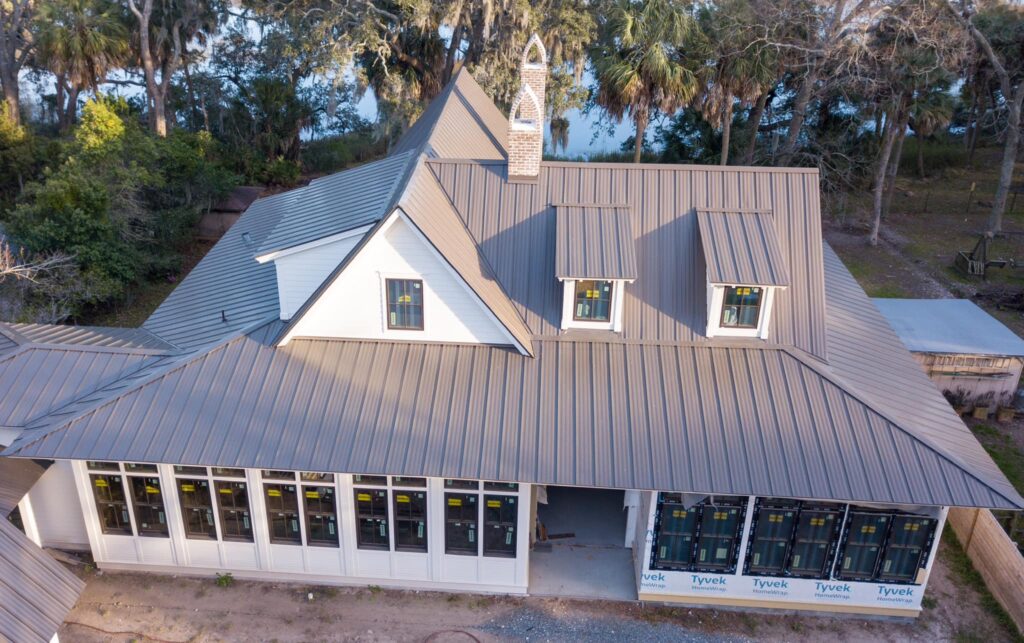
- Best for: Summer heat, heavy rain, strong winds
- Strengths: Excellent water shedding, high wind resistance, reflective in hot climates
- Vulnerabilities: Can dent from large hail; oil canning if poorly installed
- Maintenance: Low — check fasteners/sealants yearly
- Lifespan: 40–70 years
2. Architectural Asphalt Shingles
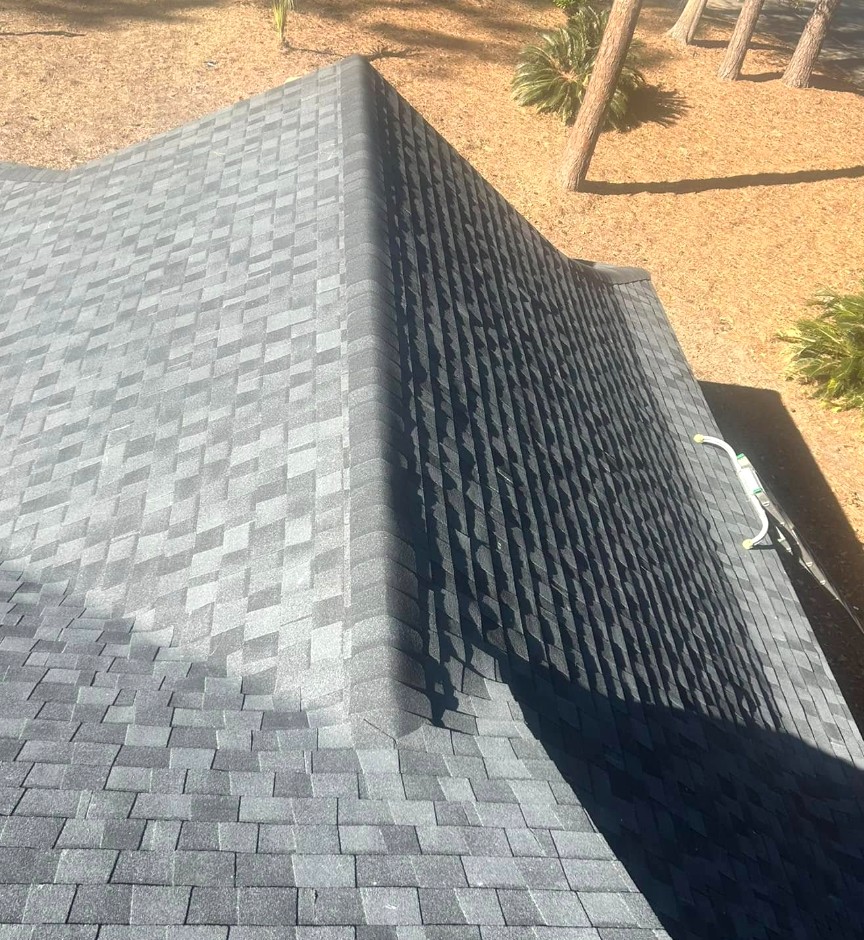
- Best for: Spring/fall weather patterns
- Strengths: Affordable, strong wind ratings, widely available
- Vulnerabilities: Granule loss, heat aging, algae staining (common in humid Savannah)
- Maintenance: Moderate — periodic cleaning and spot repairs
- Lifespan: 20–30 years
3. Stone-Coated Steel Shingles
- Best for: Winter and storm-season durability
- Strengths: Impact resistant, wind rated, sheds water well
- Vulnerabilities: Coating edges can corrode if damaged
- Maintenance: Low to moderate — occasional coating touch-ups
- Lifespan: 40–60 years
4. Clay Tile
- Best for: Hot, sunny, coastal regions
- Strengths: Top-tier heat resistance, color stability, very long life
- Vulnerabilities: Brittle in hail, heavy, can crack under foot traffic
- Maintenance: Low to moderate — replace cracked tiles when needed
- Lifespan: 50–100 years
5. Concrete Tile
- Best for: High heat and intense sun
- Strengths: Long-lasting, fire-resistant, excellent thermal performance
- Vulnerabilities: Heavy weight, underlayment aging, breakage from fallen branches
- Maintenance: Low to moderate — monitor underlayment over time
- Lifespan: 40–75 years
What impacts your roof? Mother Nature
Salt Air, Summer Sun, and Sudden Storms: The Big Three Threats to Your Roof!
Savannah roofs live in a climate that demands more than average durability. Salt air travels farther inland than most homeowners realize, slowly wearing down coatings, eating away at metal fasteners, and fading shingle color. Summer heat bakes roofing surfaces for hours every day, softening asphalt and accelerating aging. And then there are the storms. Not just hurricanes, but sudden afternoon downpours and wind bursts that lift shingles, push water under flashing, and test every weak spot.
How to Compare Roofing Materials (5 Criteria That Matter)
Choosing the right roofing material isn’t complicated once you understand what actually affects longevity and comfort in a coastal climate. You don’t need a roofing background to make a wise decision. You just need to look at the right factors and ignore the flashy marketing terms.
Below are the five criteria that truly matter in Savannah. If you evaluate each material using these, the best choice often becomes obvious.
1. Lifespan in Coastal Extreme Weather
A roof might have a great “factory-rated lifespan,” but that number rarely accounts for Savannah’s reality. Heat speeds up shingle aging. Salt air accelerates metal wear. High humidity encourages mold and algae.
When reviewing lifespan, ask specifically:
- How does this roof perform in hot, humid climates?
- Does it resist algae and streaking?
- Is it engineered to handle coastal wind uplift?
A roof that lasts 30 years inland might last 18–22 here. Choose materials proven in coastal zones, not just general-use roofing.
2. Upfront Cost vs Long-Term Value
A cheaper roof is not actually cheaper if it needs to be replaced sooner. Savannah homeowners often face a trade-off:
| Cost Approach | What Happens Over Time | Best For |
|---|---|---|
| Low Upfront Cost | Faster wear, more repairs | Rentals, flips, short-term stays |
| Mid-Range Investment | Balanced durability and maintenance | Primary residences |
| Premium Materials | Lowest lifetime cost per year of use | Long-term and “forever” homes |
3. Wind + Moisture Resistance Ratings
A strong roof is not only about the surface you see, it’s also the system underneath that keeps water out. The key performance details to look at:
- Wind Uplift Rating — how well the roof stays anchored when storms hit
- Impact Resistance — protection from falling branches and debris
- Moisture Barrier Protection — roof underlayment and flashing matter as much as shingles
- Salt + Rust Resistance — especially for metal and exposed fasteners
4. Style, Color, and Architectural Fit
The right roofing material should match the home and the neighborhood. Color matters too. Light-toned roofs reflect heat better, which can lower cooling bills during long summers. Materials like architectural shingles, metal, tile, and synthetic slate offer texture and dimension that elevate curb appeal without forcing a full exterior redesign.
You’ll find:
- Historic cottages
- Spanish-influenced coastal homes
- Traditional suburban builds
- Marsh-view modern homes
5. Roofing Maintenance Requirements
Every roof needs maintenance, but some need much more than others. Consider the following when selecting the best roofing materials for your home:
- Will it need frequent cleaning to prevent algae streaks?
- Does the material show cosmetic wear quickly in sun or salt air?
- Are repairs simple, or does everything require a specialist?
| Material Type | Maintenance Needs | Reality in Savannah |
|---|---|---|
| Basic Asphalt Shingle | High | Heat + algae streaking = more frequent cleaning and earlier replacement |
| Architectural Shingle | Moderate | Better resistance, but still needs periodic washing |
| Metal Roofing | Low | Excellent salt, wind, and heat durability when properly coated |
| Tile / Slate | Low to Moderate | Long life, but repairs need an experienced roofer |
Best Roofing Materials Ranking (From Budget to Premium)
The climate exposes weak materials faster than most homeowners expect, which is why choosing roofing isn’t just about price or color. It’s about how well it stands up to heat, humidity, salt air, and storms. Below is a clear ranking from most budget-friendly to top-tier lifetime materials, with honest strengths and limitations for each.
1. Asphalt Shingles (Budget-Friendly Workhorse)
Asphalt shingles are the most common roofing material in America, and for good reason: they’re affordable, readily available, and straightforward to install. For homeowners planning short-term ownership or managing rental properties, they make practical financial sense.
Why homeowners choose it:
- Lowest upfront cost
- Wide range of colors and styles
- Easy to source and replace
Where it struggles in Savannah:
- Heat causes shingles to soften and age faster
- Humidity encourages algae staining and color fade
- Wind uplift can be a concern without strong roofing nails and proper installation
Best fit: Short-term homes, rental properties, flips, or budget-focused replacements.
Realistic lifespan in Savannah: 12–17 years
Architectural / Dimensional Shingles (Best Value for Most Homes)
Architectural shingles are an upgraded version of basic asphalt. They’re thicker, more dimensional-looking, and rated to handle stronger winds. They strike a balance between cost and durability, which makes them the sweet spot for many Savannah households.
Why they perform better here:
- More layered construction = better heat and storm resistance
- Higher wind ratings help during sudden summer storms
- Richer color and texture boost curb appeal
What to keep in mind:
- Costs more than standard shingles, but the longer lifespan often offsets it
- Still requires periodic cleaning to prevent algae streaking
Best fit: Primary residences, suburban neighborhoods, long-term but not “forever home” scenarios.
Realistic lifespan in Savannah: 18–28 years
Metal Roofing (High-Longevity and Coastal Tough)
Metal roofing is a standout in Savannah because it handles heat, salt, and wind extremely well. It reflects sunlight (cooler attic, lower AC bills), resists humidity, and holds strong during storm seasons. Modern metal roofs can look sleek, coastal, traditional, or contemporary — depending on profile and color.
Why it’s a top performer in this climate:
- Excellent resistance to humid and salty air
- High wind uplift ratings (ideal for storm-prone seasons)
- Long lifespan with minimal maintenance
- Helps stabilize indoor temperatures
Considerations:
- Higher upfront investment
- Requires experienced installers for best results
Styles available:
- Standing seam (clean, modern, very durable)
- Metal shingles (traditional look with metal strength)
- Corrugated panels (budget-friendly but more rustic)
Best fit: Homes near marshes, coastal areas, or properties with full sun exposure.
Realistic lifespan in Savannah: 35–50+ years
Synthetic / Composite Roofing (Premium Style Without Premium Weight)
These modern roofing systems are engineered to mimic high-end slate, cedar shake, or tile — without the weight, fragility, or heavy maintenance requirements. They hold color well, resist mold, and stand strong through Savannah’s hot, wet climate.
Why homeowners love it:
- Elevates curb appeal significantly
- Stays lighter on the structure than real slate or tile
- Fade-resistant and mold-resistant
- Long lifespan with little upkeep
Trade-off:
- Higher price point, but often still less than tile or slate
- Requires a certified installer for warranty protection
Best fit: Homeowners who want a custom or upscale look without structural changes.
Typical lifespan: 40+ years
Clay and Concrete Tile (Timeless Coastal and Mediterranean Look)
Tile roofs are built for heat and long life. They’ve been used in coastal regions worldwide because they don’t bake, warp, or degrade in the sun like lighter materials. Savannah’s historical and Spanish-influenced home styles pair well with tile.
Strengths:
- Exceptional heat resistance
- Very long lifespan
- Beautiful, timeless curb appeal
- Naturally fire- and rot-resistant
What to consider:
- Heavy material — the roof structure may need reinforcement
- Installation requires specialized skill
- Higher upfront cost
Best fit: High-end residential areas, historic districts, coastal homes aiming for longevity and aesthetic character.
Lifespan: 50+ years
Slate Roofing (Luxury + Lifetime Durability)
Slate is the top of the roofing world: natural stone, unique grains, and decades of performance. It’s rare, elegant, and built to last generations, not just years. You’ll see slate on historic Savannah homes, restored estates, and legacy properties.
Why it’s unmatched:
- True lifetime material — some slate roofs last a century
- Immune to sun fade, humidity, mold, insects, and fire
- An architectural presence that stands out immediately
Considerations:
- The highest material and installation cost
- Requires skilled slate roof specialists
- Roof framing may need reinforcement
Best fit: Historic homes, “forever homes,” and properties where craftsmanship and longevity matter more than price.
Lifespan: 75–100+ years
Cost, Lifespan, and Climate Performance Comparison
| Roofing Material | Avg Installed Cost (Savannah Market) | Realistic Lifespan in Savannah | Heat + Humidity Performance | Wind + Storm Resistance | Best Fit Homes |
|---|---|---|---|---|---|
| Asphalt Shingles | $5,900 to $10,500 | 12 to 17 years | Fair | Fair | Rentals, short-term homes, tighter budgets |
| Architectural Shingles | $8,900 to $14,500 | 18 to 28 years | Good | Good | Most primary residences |
| Metal Roofing | $15,500 to $31,000+ | 35 to 50+ years | Excellent | Excellent | Coastal, marsh-view, heat-exposed homes |
| Synthetic / Composite Roofing | $22,000 to $45,000+ | 40+ years | Very Good | Very Good | Homes where curb appeal matters |
| Clay or Concrete Tile | $28,000 to $55,000+ | 50+ years | Excellent | Very Good | Mediterranean, coastal, or upscale designs |
| Slate Roofing | $45,000 to $90,000+ | 75 to 100+ years | Excellent | Excellent | Historic districts and “forever homes” |
How to read this table: The farther right you go in lifespan and weather resistance, the more the roof can handle Savannah’s heat, salt, and storms. The higher upfront investment often means lower cost over time, especially if you plan to stay in your home.
When to Upgrade Instead of Replace With the Same Material
Most roofs get replaced with whatever was there before, not because it’s the best choice, but because it’s the fastest decision. In Savannah, that approach can cost more in the long run. If your roof is showing certain patterns of wear, upgrading to a stronger material can prevent repeat repairs, lower cooling bills, and extend the lifespan of your home’s roof system.
Here’s when an upgrade is worth it:
1. Your Current Roof Aged Faster Than Expected If your shingles were rated for 25 years but are curling, cracking, or fading in year 12–15, the climate has outpaced the material. Upgrade to: Architectural shingles or metal for better heat and humidity tolerance due to Savannah’s hot and wet climate.
2. You’ve Had Shingle Blow-Off After Storms Wind bursts and microstorms are common in Savannah. If shingles lift or peel repeatedly, the material or installation isn’t handling storm pressure. Upgrade to: Architectural shingles with a higher wind rating or metal.
3. Your Attic Runs Hot and AC Bills Keep Climbing Dark or thin roofing absorbs heat. This pushes cooling systems harder in the summer. Upgrade to: Metal roofing or lighter-colored architectural shingles for better heat reflection.
4. You Plan to Live in the Home Long-Term If this is your “forever home,” repeating the roofing process every 12–18 years costs more than choosing a material that lasts. Upgrade to: Metal, synthetic composite, tile, or slate — depending on style.
5. You’re Improving the Home’s Exterior or Resale Appeal A roof is one of the first things buyers see. Higher-quality roofing can increase the home’s perceived and actual value. Upgrade to: Architectural shingles, composite, or tile for noticeable curb appeal.
The Final Word: Best Roofing Materials Ranked
Ultimately, the roofing material you choose for your new roof is up to you. There is no single “best” roof for every home.
The best choice in Savannah, Pooler, and Richmond Hill is the one that keeps your house dry, comfortable, and strong year after year. If you would like a clear, honest recommendation based on your home’s needs, we are happy to walk you through your options.
Comments are closed