
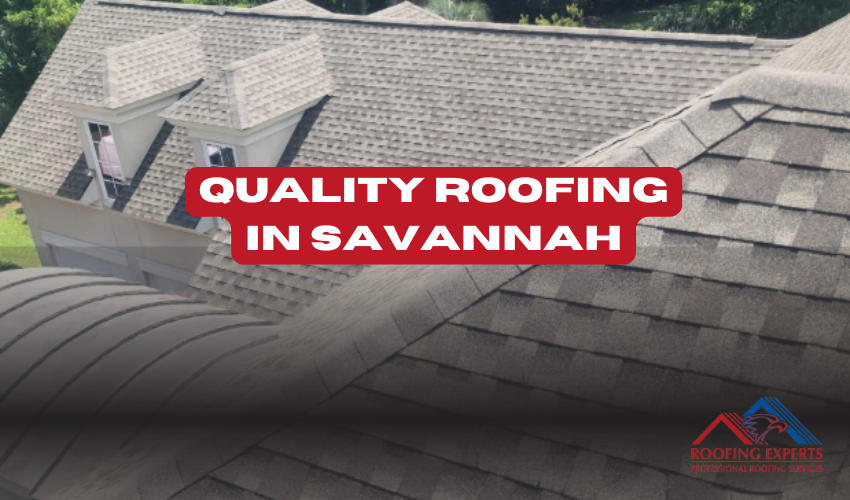
Are you looking for a quality roofing company in Savannah or Pooler, or more specifically in Chatham County?
Roofing for your home or business is an investment in safety, efficiency, and long-term value, not to mention it can get quite expensive. Hiring the wrong roofing contractor can turn that investment into ongoing headaches. Savannah and Chatham residents need reliable experts who combine skill, materials, and local knowledge for their roofs.
Today, the team here at Roofing Experts of Savannah, led by Derek, will walk you through everything you need to know about residential roofing, roof repairs, and how to spot a quality roofer (and what to avoid)! Let’s dive in!
How to Choose the Best Quality Roofing Company Near You?
Let’s play devil’s advocate for a moment. The lowest roofing quote might look appealing at first, and a fast promise can sound reassuring. But roofing mistakes cost far more than careful planning. In fact, because Savannah is so prone to hurricanes and storm damage, we tend to attract what the roofing industry calls “Storm Chasers.”
Storm chasers are far from a quality roofing company and they are often easy to spot if you know the signs. These five steps help you choose a quality roofing company in Savannah with confidence and avoid the storm chasers:
- Question: Unusually low estimates. Prices far below average often signal rushed labor or lower-grade materials. A quality company explains costs clearly and stands behind fair pricing.
- Look beyond marketing claims. Bold ads and catchy slogans do not guarantee skill. Focus on documented experience, completed projects, and proven results in Savannah homes and businesses.
- Ask how problems are handled: Even well-planned projects can uncover hidden damage. A reliable roofer explains how they address surprises without pressure or confusion.
- Confirm local experience and stability: Contractors rooted in Savannah understand local building codes and weather demands. A long-term presence demonstrates accountability and commitment to the community.
- Evaluate professionalism during the first conversation: How a company communicates early reflects how they will manage your project. Clear answers, patience, and transparency matter.
What Certifications and Licensing Should a Quality Roofing Company Have?

A quality roofing company holds proper state licensing and carries full liability and workers’ compensation insurance. Certifications from leading roofing manufacturers show advanced training and approved installation methods. These credentials indicate the contractor meets industry standards and qualifies to offer stronger warranties.
Why Are Customer Reviews and Testimonials Important When Selecting Roofers?
Customer reviews reveal how a roofing company performs beyond the estimate. They highlight communication, workmanship, cleanup, and follow-through. Consistent positive feedback from Savannah homeowners and business owners shows reliability. Testimonials help confirm whether a company delivers on promises and handles issues responsibly.
“Derek is a great roofer and someone you can trust. He took the time to explain what was going on with our roof, gave us honest options, and never pressured us into doing more than we needed. You can tell he cares about his customers and the Savannah community.” — Larry D.
What Residential and Commercial Roofing Services Do Quality Roofing Companies Offer?
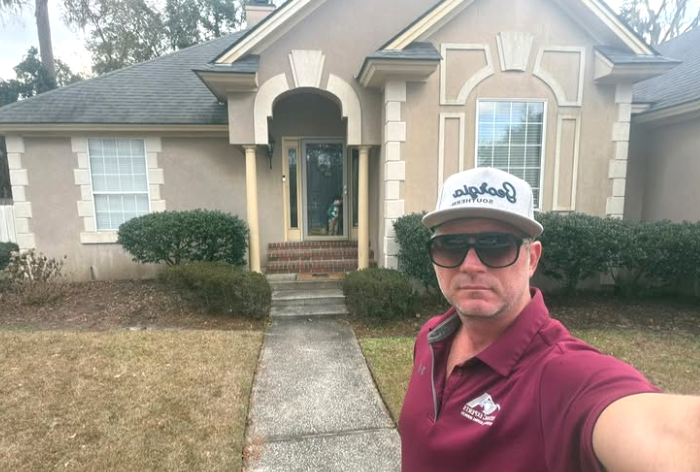
A quality roofing company provides complete solutions for both homes and businesses. Each service is designed to protect the structure, manage weather exposure, and extend roof life. Here are the core services we offer and how they support Savannah property owners.
1. Roof inspections and evaluations
Every project starts with a detailed inspection. We assess shingles or membranes, flashing, decking, ventilation, and drainage. This helps identify visible and hidden issues before they become costly problems.
2. Roof repair services
Repairs address leaks, storm damage, missing materials, and wear from age or heat. We focus on fixing the source of the problem, not just surface symptoms, to restore protection quickly and safely.
3. Full roof replacement
When a roof reaches the end of its lifespan, replacement provides a clean start. We remove old materials, inspect the structure, and install new systems designed for Savannah’s weather conditions.
4. New roof installation
For new construction or additions, we design and install roofing systems that meet building codes and long-term performance goals. Proper installation ensures durability from day one.
5. Storm damage and emergency services
After severe weather, we respond quickly to assess damage, secure the roof, and prevent further loss. We also document issues to support insurance claims.
6. Commercial roofing solutions
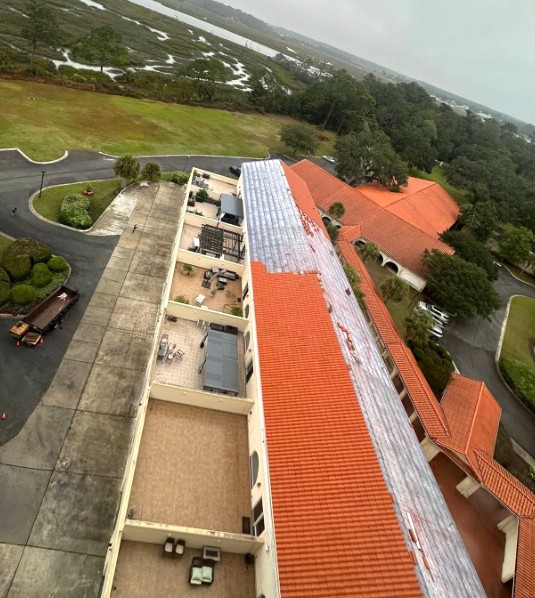
We handle flat and low-slope systems, including membranes and coatings, designed for large buildings and heavy use. These systems focus on drainage, durability, and energy efficiency. We are one of the leading roofing companies in Savannah, offering both residential and commercial roofing services at a professional level.
What Are the Key Differences Between Residential and Commercial Roofing Solutions?
Here at Roofing Experts of Savannah and Coastal Georgia, we offer both commercial and residential roofing services, but what exactly does that mean?
Homes and businesses face different demands, which means residential and commercial roofing solutions are designed with very different goals in mind. First, most commercial roofs use completely different roofing materials, like TPO, compared to homes, which use asphalt shingles 90% of the time.
Understanding these differences helps you make smarter decisions, whether you own a single-family home or manage a commercial property.
| Area of Comparison | Residential Roofing | Commercial Roofing |
|---|---|---|
| Roof style | Sloped or pitched roofs that naturally move water away | Flat or low slope roofs that rely on engineered drainage systems |
| Common materials | Asphalt shingles, metal, tile, and slate | TPO, EPDM, PVC membranes, modified bitumen |
| Visual focus | Emphasizes curb appeal and architectural style | Prioritizes performance and long-term durability |
| Installation method | Large-scale systems installed in sections | Flat or low-slope roofs that rely on engineered drainage systems |
| Maintenance level | Periodic inspections and simple repairs | Routine inspections with planned maintenance schedules |
| Drainage system | Uses roof pitch and gutters | Uses internal drains, scuppers, and tapered insulation |
| Energy control | Ventilation and attic insulation for living comfort | Reflective surfaces and insulation to reduce heat buildup |
| Repair complexity | Localized repairs that are usually straightforward | Repairs often require specialized tools and materials |
| Typical lifespan | Around 20 to 40 years depending on material | Around 20 to 30 years depending on system care |
How Do Roof Repair, Replacement, and New Installation Services Compare?
Roof repair, roof replacement, and new roof installation all solve different problems. The right choice depends on how much damage exists, how old the roof is, and how long you plan to stay in the property. Seeing them side by side makes the decision clearer.
- Roof repair addresses isolated issues like leaks, lifted shingles, or flashing damage. It works best when the roof structure is still solid and problems are limited.
- Roof replacement is the right move when damage is widespread or materials have reached the end of their lifespan. It restores full protection and often improves energy efficiency and resale value.
- New roof installation applies to new construction or major renovations.
It allows the roofing system to be designed from scratch to match the building’s layout, drainage needs, and material preferences.
Comprehensive Residential & Commercial Roofing Services in Savannah
Think dripping water during a midnight storm or an AC running nonstop in July while the house still feels warm. Those moments force a hard truth. The material over your head matters more than you thought. The right roofing choice protects against the weather, controls indoor temperatures, and saves money over time.
- Asphalt shingles: A reliable option that balances cost, protection, and repair flexibility. Newer architectural shingles also improve wind resistance and insulation performance.
- Metal roofing: Built for longevity and energy control. Metal reflects heat, reduces cooling demand, and holds up well against storms and temperature extremes.
- Tile roofing: Clay and concrete tiles resist heat, fire, and moisture. Their design allows airflow that helps stabilize indoor temperatures in warmer climates.
- Slate roofing: Exceptionally durable with natural insulating properties. Slate handles temperature swings well and can last for generations when installed correctly.
- Synthetic roofing materials: Engineered to deliver the look of premium materials with lighter weight and added impact resistance. Many include reflective surfaces that help manage heat and improve energy efficiency. These are most common with commercial roofs!
What Are the Benefits and Lifespan of Asphalt Shingles and Metal Roofing?
Both asphalt shingles and metal roofing remain popular choices in Savannah because they balance durability, cost, and performance. Each option offers clear benefits depending on your home or business needs.
Top benefits of asphalt shingles
- Affordable installation cost, making them budget-friendly for many property owners
- Lifespan of about 20 to 30 years when installed and maintained properly
- Wide range of styles and colors that match traditional Savannah architecture
- Faster installation time, which reduces labor disruption
- Reliable performance against rain and moderate wind conditions
Top benefits of metal roofing
- Long lifespan of 40 to 70 years, often outlasting multiple shingle roofs
- Strong resistance to wind, heavy rain, and storm debris
- Reflective surface that helps reduce heat absorption and cooling costs
- Low maintenance needs over time
- Durable choice for both residential and commercial properties
How Do Eco-Friendly and Synthetic Roofing Options Improve Energy Efficiency?
Eco-friendly and synthetic roofing materials work like a good thermos for your home. They slow down heat entering during summer and help retain warmth during cooler months. Just as a thermos keeps drinks at the right temperature, these roofing systems regulate heat flow through reflective surfaces, insulated layers, and lightweight designs.
Many eco-focused materials also reduce environmental impact by using recycled components and lasting longer, which means fewer replacements and less waste over time. The result is a roof that works smarter, not harder, to protect comfort and lower energy costs.
When Is Roof Replacement Necessary and What Is the Process?
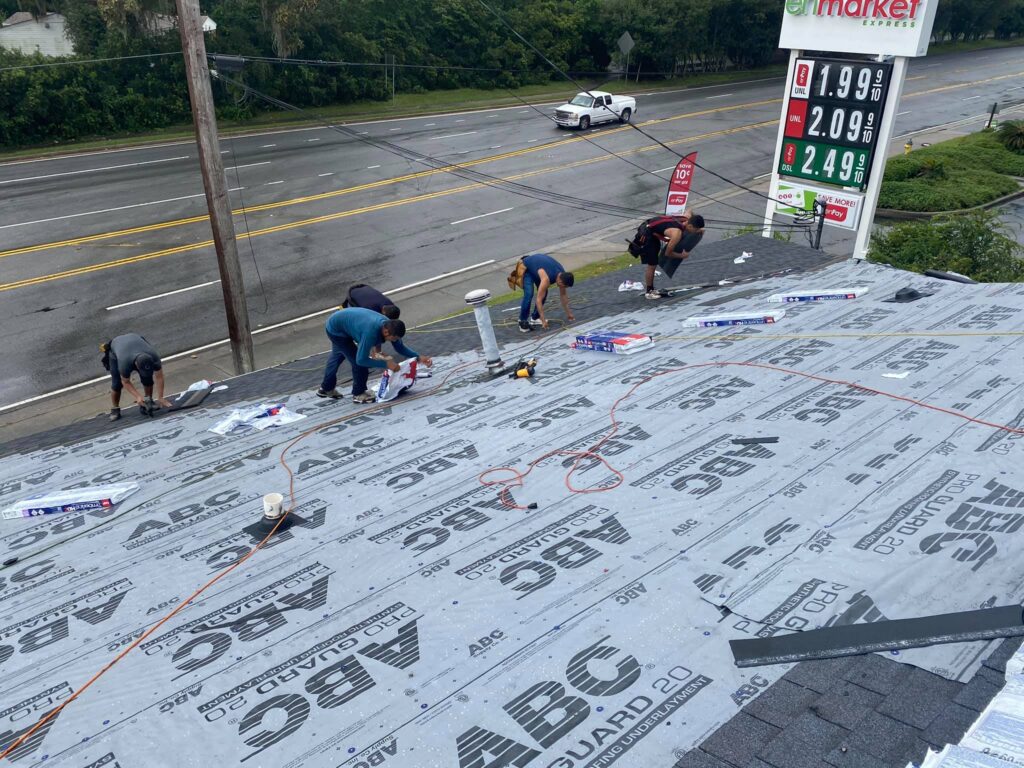
What is a roof replacement, and what does the process look like? A new roof is when you replace everything on your roof down to the decking. A roof replacement becomes necessary when repairs no longer protect your property. These are the top three scenarios that signal replacement is the smarter option.
- Widespread or recurring damage.
- The roof has reached the end of its lifespan
- Structural or decking issues.
When we look at a roof, we are not just checking the shingles. We start with a full inspection to see what is actually going on and whether a repair still makes sense or if the roof has reached the point where replacement is the better option.
If you are seeing leaks, missing shingles, soft spots, or damage in several different areas, repairs can start turning into temporary fixes instead of a real solution. At that point, you may be spending money over and over on a roof that is simply worn out.
Age matters too. Roofing materials do not have to be actively leaking to be failing. Over time, shingles lose their ability to handle Savannah’s heat, heavy rain, humidity, and storms the way they did when they were new.
We also pay close attention to the roof decking underneath. If moisture has caused rot or weakened the decking, that damage needs to be addressed before a new roofing system goes on.
During a replacement, we remove the old roofing materials, inspect and prepare the roof deck, install the new roofing system correctly, and finish with a final quality check. The goal is simple: make sure the roof is solid, properly installed, and ready to protect your home for years to come.
What Are the Common Signs Indicating You Need a New Roof?
Roofs rarely fail without warning; there are always signs! In Savannah, heat, humidity, and storms speed up wear, so early signs matter. These indicators suggest replacement may be necessary rather than repeated repairs.
Here in Savannah, our heat, humidity, and coastal storms can speed up roof wear faster than many homeowners expect. Shingles that curl, crack, or go missing leave your roof exposed to heavy rain and strong coastal winds, and when this happens in multiple areas, the roofing system can no longer seal out moisture properly. Recurring leaks or interior water stains on ceilings and walls often mean water is traveling beneath the roof surface, and repeated issues usually point to deeper system failure. Sagging or uneven rooflines are a serious warning sign of decking or structural damage caused by long-term moisture exposure and should be addressed immediately.
Excessive granule loss showing up in gutters or around your home signals that shingles are losing their sun protection and nearing the end of their lifespan. Mold, algae, or dark streaks are common in Savannah’s humid climate and indicate persistent moisture that can weaken roofing materials and impact indoor air quality. Rising energy bills may also be tied to poor roof performance that allows heat transfer and forces your HVAC system to work harder. Even without obvious damage, roofs that have exceeded their expected lifespan often lose their ability to protect effectively in our coastal environment.
How Does a Professional Roof Replacement Process Ensure Quality and Longevity?
A professional roof replacement begins with a detailed inspection and clear planning. Old materials are removed to expose the decking, allowing contractors to repair hidden damage. High-quality underlayment, flashing, and ventilation systems are installed before the final roofing material. Each step follows manufacturer standards and local building codes, ensuring the roof performs well and lasts for decades.
How Do Quality Roofing Companies Handle Emergency Roof Repairs and Storm Damage?
A top-quality roofing company like Roofing Experts that responds quickly when storms hit. In the roofing industry, timing matters as much as skill. A quality roofing company starts with an immediate assessment to prevent further damage, often using temporary protection until permanent repairs can be made.
Photos and documentation are provided to support insurance claims. Materials are selected to match existing systems, and repairs follow strict standards to restore safety fast. This approach reflects how a quality roofing company, like us, protects homes and businesses when urgent situations arise.
What Steps Are Involved in Emergency Roof Leak and Storm Damage Repairs?
Emergency roof repairs are not guesswork. They follow a clear process designed to stop damage fast and protect your home. This is also where calling professionals matters most, because storms create hazards most homeowners should never handle alone.
The process to find roof leaks and roof damage from storms includes the following:
- Immediate damage assessment:
- Temporary leak control and stabilization
- Safety checks and hazard removal
- Detailed documentation for insurance, including
- Permanent repair or replacement planning
- Final inspection and water testing
Storm damage repairs need to move quickly because every hour a roof is left open can mean more water getting into your home. When we get to a property after a storm, the first thing we do is figure out where the damage is, how bad it is, and what needs to be secured right away.
We inspect the roof, attic, and exterior for active leaks, missing or lifted shingles, damaged flashing, and any signs of structural damage. If water is still getting in, we may use a tarp or temporary patch to help protect the home until the permanent repair can be made.
We also look for loose materials, debris, soft decking, and other areas that may be unsafe. This is one of the reasons I always tell homeowners not to climb on the roof after a storm. Wet shingles, hidden damage, and unstable sections can make a roof dangerous even when it looks fine from the ground.
We take photos, measurements, and notes on the damage so you have clear documentation of what we found. Once everything is safe, we repair or replace the damaged roofing materials and check the flashing, underlayment, ventilation, and surrounding areas to make sure we are fixing the actual problem.
The goal is not to cover up a leak and hope for the best. We want to make sure your roof is properly repaired and ready for the next Savannah storm.
How Do Licensed Roofers Ensure Safety and Compliance During Repairs?
Licensed roofers protect your home by following strict safety protocols and local building codes on every job. They use proper fall protection, secure ladders, and controlled work zones, whether the project involves a steep slope or a flat roof.
A qualified general contractor also ensures permits are pulled, inspections are passed, and materials are installed to manufacturer specifications. This protects warranties and long-term performance. When homeowners search quality roofers near me, they want crews who work safely, follow the law, and stand behind their work. That is exactly what licensed professionals deliver every time.
Quality Roofing in Savannah Final Word
When was the last time you actually looked at your roof? If you’re not sure, it may already be telling you something. Leaks, aging materials, and storm damage rarely fix themselves.
Talk with a local roofing expert, aka THE Roofing Experts led by Derek and Co., today and get clear answers before the next storm tests your roof. We offer free inspections; just reach out below!
- Savannah Roofing Experts specialize in roofing, including metal, asphalt shingles, and commercial roofing.
- We can help with roof repairs and roof leak fixes.
- Recgonized as one of the best roofing companies in Savannah.
Frequently Asked Questions About Quality Roofing Companies in Savannah
1. How much does a quality roofing company in Savannah charge for a new roof?
The cost of a new roof in Savannah depends on roof size, material, pitch, number of stories, decking condition, flashing, ventilation, and overall roof complexity. Architectural asphalt shingles are typically the most affordable residential option, while standing seam metal roofing costs more because of the material and specialized installation.
When comparing roofing estimates, homeowners should look at more than the final price. A quality roofing company should clearly explain what is included for tear-off, underlayment, flashing, ventilation, cleanup, warranties, and any damaged decking that may need to be replaced.
An unusually cheap estimate can sometimes leave important parts of the roofing system out of the quote, which can lead to additional costs later.
2. What roofing brands should a quality roofing company offer?
A quality roofing company should be familiar with established manufacturers and help homeowners choose products based on the house, budget, and Savannah’s climate instead of pushing one product on every customer.
Popular architectural shingle manufacturers include GAF, CertainTeed, Owens Corning, and Malarkey. Homeowners should compare more than the brand name. Wind performance, algae resistance, warranty requirements, starter shingles, ridge caps, underlayment, and proper installation all matter.
In Savannah’s hot and humid climate, algae-resistant architectural shingles and roofing systems designed for strong wind exposure are especially worth considering.
3. How do I know if a Savannah roofing company is reputable?
A reputable Savannah roofing company should have a real local presence, established customer reviews, proof of insurance, experience in the area, clear written estimates, and a history of completed roofing projects.
Pay attention to communication during the first inspection. A good roofer should explain what they found, show you areas of concern when possible, discuss both repair and replacement options, and answer questions without pressuring you.
Local history matters too. Contractors who have worked in Savannah for years are more familiar with coastal storms, heavy rain, high humidity, intense summer heat, and the roofing problems common throughout Chatham County.
4. Should a quality roofing company recommend repair before replacement?
Yes, when a roof can reasonably be repaired, a quality roofing company should explain that option instead of automatically recommending a full replacement.
A localized leak caused by damaged flashing, a pipe boot, missing shingles, or a small storm-damaged section may be repairable when the rest of the roof is still in good condition.
Replacement may make more sense when the roof has widespread damage, recurring leaks, significant granule loss, deteriorated materials, damaged decking, or has reached the end of its expected lifespan.
The goal should be to recommend the roofing solution that makes the most sense for the homeowner, not simply the most expensive project.
5. Why is hiring a local Savannah roofing company important after a storm?
Hiring a local Savannah roofing company is especially important after hurricanes, tropical storms, hail, and severe thunderstorms because major storms often attract out-of-town contractors known as storm chasers.
A local roofer understands Savannah’s weather, neighborhoods, roofing styles, and coastal conditions. More importantly, a local company will still be nearby if you have questions or need service after the project is finished.
Roofing Experts of Savannah has served homeowners and businesses throughout Savannah and surrounding communities for more than 16 years. Derek and the team live and work in the area, which means accountability does not end when the roofing crew leaves your property.
Comments are closed