
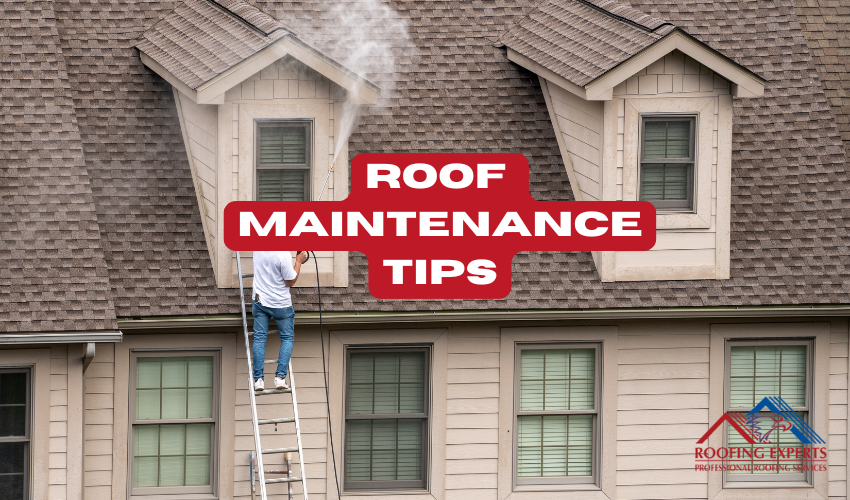
Do you live in Savannah and need some simple roof maintenance tips? When it comes to roof maintenance, you first need to know what kind of roof you have and what it needs.
Your roof faces more plot twists than a Netflix series. One season brings heat, the next delivers storms. Choosing the right material keeps you from paying for the cliffhangers. Stick around to see which roofs play the hero role all year and which ones don’t make it past episode one.
First, Why Seasonal Roof Maintenance Matters More Than You Think:
Why do you even need roof maintenance in Savannah?
Weather shifts strain every part of a roof. Heat expands materials. Cold contracts them. Moisture enters small gaps and widens them over time. Wind lifts weak edges and finds any loose fastener. UV breaks down exposed surfaces. Small flaws grow into leaks that damage sheathing, insulation, and drywall.
Routine seasonal care lowers risk and cost. You catch problems early and plan repairs on your terms. You also meet warranty and insurance expectations for documented maintenance. Skipping checks invites sudden failures during storms and heat waves.
Inspections should follow the calendar and the weather. Check after heavy rain, hail, high winds, or freeze events. Use each season to handle the issues that season creates. Keep your attic dry and well-ventilated to slow aging across all materials.
Here is a short checklist to guide your seasonal routine:
- Clear gutters and downspouts to stop overflow and edge rot.
- Inspect flashing, vents, and penetrations for gaps or movement.
- Replace broken or missing shingles, tiles, or fasteners quickly.
- Remove debris from valleys, drains, and low-slope areas.
- Photograph findings and repairs to build a maintenance record.
How Each Season Impacts Your Roof (and What To Do About It)
Roofs fail in patterns you can predict. Spring exposes winter cracks. Summer cooks sealants and dries shingles. Fall traps moisture in debris. Winter loads structures with snow and ice. Regular checks catch these shifts early. Timely fixes stop leaks before they reach the attic. A steady seasonal plan preserves structure, comfort, and energy use.
1. Spring – The Hidden Damage Revealer
Spring rain finds every weak seam. Freeze-thaw cycles open gaps at flashing and nail heads. Hail and winter winds loosen tabs you cannot see from the ground. Early inspection here saves a summer of leaks and interior repairs.
Here is a tight list to guide your spring work:
- Walk the perimeter. Look for lifted shingles, missing tabs, and bent drip edges.
- Check flashing at chimneys and vents. Seal pinholes and reset loose pieces.
- Clean gutters and downspouts. Test the flow with a hose until the water runs clear.
- Inspect the attic after a heavy rain. Look for stains, rusted nails, and damp insulation.
2. Summer – Heat Stress and UV Exposure
Summer heat accelerates aging. UV weakens asphalt binders and dries sealants. High attic temperatures push shingles beyond their design range. Thermal movement stresses fasteners and seams, especially on metal panels.
Use this focused checklist to limit heat and UV damage:
- Verify attic ventilation. Clear intake vents and confirm exhaust fans operate.
- Look for blistering, curling, or heavy granule loss on sunny slopes.
- Reseal exposed fasteners on metal and replace cracked sealant beads.
- Consider reflective coatings where suitable. Schedule work during cooler hours.
3. Fall – The Leaf and Moisture Trap
Falling leaves slow drainage and hold water against the roof. Wet debris breeds moss and algae. Early fall storms also drive rain under loose edges. Clean surfaces now to prevent winter ice and mid-season leaks.
Lean on this simple fall routine:
- Clear gutters, valleys, and flat sections. Install guards where trees overhang.
- Trim branches six to ten feet back from the roofline. Reduce shade and abrasion.
- Treat early moss growth. Improve sun exposure and fix drainage to prevent return.
- Inspect skylight and wall flashings. Reseal joints before the first freeze.
4. Winter – The Weight and Freeze Challenge
Snow and ice load structures and strain joints. Warm attics melt roof snow. Meltwater refreezes at cold eaves and forms ice dams. Water then backs up under shingles and wets the sheathing. Good insulation and airflow reduce this cycle.
Follow these targeted winter checks:
- After storms, use a roof rake from the ground. Keep eaves clear of heavy buildup.
- Watch for interior stains along exterior walls. That often signals an ice dam.
- Keep soffit vents open. Do not block them with insulation baffles or boxes.
- Verify attic humidity stays low. Run bath fans to the exterior, not the attic.
Maintenance Tips by Roofing Type
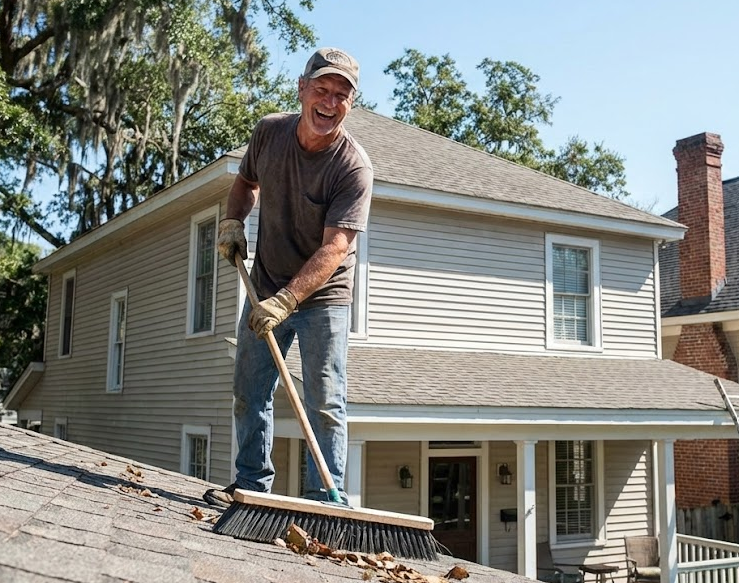
What are the best mainteance tips for roofs and what should you leave to the pro roofing companies?
Viral DIY roof hacks trend on TikTok looks clever. On a roof, clever gets people hurt. Pros fix leaks with precision, speed, and safe methods. They bring torque tools, fall protection, and the right sealants. Your role is simple. Spot issues early and call a licensed crew before damage spreads.
Asphalt shingles
Granule loss and lifted tabs expose the mat. Sealant lines dry in heat. Pros spot early failures that homeowners miss.
Here is a clear handoff to quick actions:
- Replace cracked or cupped shingles before storms.
- Reseal flashing and nail heads with roof-grade products only.
- Clean algae with non-bleach washes to protect coatings.
Architectural metal
Thermal movement stresses clips and seams. Exposed fasteners age fast. Pros measure expansion joints and torque values.
Focus on what actually matters:
- Check clip spacing and retighten loose fasteners.
- Renew seam sealants and pipe boots on schedule.
- Add foam closures where pests or wind drive water.
Tile (clay and concrete)
Tiles shed water. Underlayment does the sealing. Pros know when the membrane, not the tile, is the problem.
Keep the following moves tight and simple:
- Replace broken tiles and reset slipped pieces.
- Clear valleys and check bird stops and eave closures.
- Evaluate underlayment every 10–15 years in hot zones.
Slate and synthetic slate
Longevity depends on correct hooks, nails, and flashing steps. Pros avoid breakage and match quarry thickness.
Let’s narrow to the essentials:
- Replace broken slates with copper nails and bibs.
- Inspect step flashing at walls and chimneys.
Flat roofs (mod bit, TPO, EPDM)
Seams, penetrations, and ponding zones fail first. Pros heat-weld or splice correctly. Now the critical actions:
- Clear drains and scuppers. Test flow with a hose.
- Patch seams with system-approved materials only.
Wood shakes
They need airflow, preservatives, and clean surfaces. Pros handle treatments safely and evenly.
Focus your attention here:
- Remove moss and debris to dry the surface.
- Apply fire retardant and water repellent as specified.
- Replace split shakes before they wick water inside.
Preventive Upkeep That Pays Off Year-Round
An ounce of prevention beats a roof full of buckets. Preventive care lowers risk, stabilizes comfort, and stretches service life. Small habits cost little and return peace of mind. The moral is simple. Spend a little on schedule or spend a lot in crisis.
Here is a clean, season-proof routine that actually works:
- Keep water moving. Clear gutters, valleys, and drains, then test with a hose.
- Control attic climate. Open soffits, clear ridge vents, and seal ceiling gaps.
- Log issues fast. Photograph defects, tag locations, and close them within a week.
- Protect edges. Reseat loose flashing and replace hardened sealants promptly.
- Book pros. Biannual inspections catch problems you will not see from the ground.
Results you can expect when this routine sticks:
- Fewer emergency calls and lower interior repair costs.
- More stable indoor temperatures and lighter HVAC loads.
When It’s Time to Replace Instead of Repair
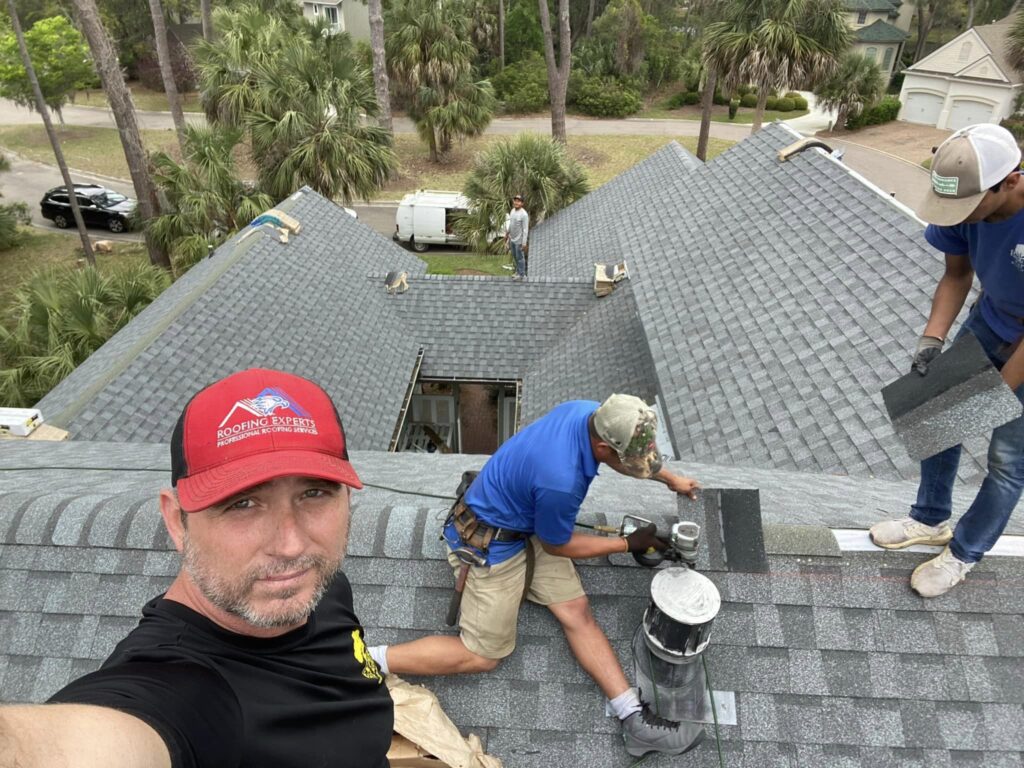
Repairs make sense when damage is small and isolated. A replacement wins when failures spread or the system is past its service life.
Use this checklist to make that call with confidence:
✅ Age Check
- Asphalt roofs last 20–25 years. Metal can hit 40–70.
- If you’re past that range, replacement delivers better value than more patches.
✅ Repair Frequency
- More than two significant repairs in one year often signals system failure.
- Track expenses; when annual repairs exceed 10–15% of a new roof cost, start planning a replacement.
✅ Deck Condition
- Soft spots, sagging, or spongy feel underfoot mean moisture damage.
- A compromised deck can’t hold fasteners or flashing properly.
✅ Shingle and Surface Damage
- Widespread curling, cracking, or missing shingles point to material fatigue.
- Replacing a few tabs won’t solve an aging roof’s systemic breakdown.
✅ Leak Spread
- Leaks in multiple areas indicate failure beneath the surface.
- Localized leaks can be repaired; recurring leaks across slopes cannot.
✅ Energy Efficiency Drop
- Rising HVAC bills or attic heat spikes mean poor ventilation or insulation loss.
- A new system fixes both energy waste and roof structure together.
✅ Storm and Hail History
- If you’ve faced multiple wind or hail events, damage layers can overlap unseen.
- Have a licensed roofer inspect the underlayment and decking for hidden bruising.
✅ Warranty and Code Compliance
- Outdated materials may violate newer building codes or lose warranty coverage.
- Replacement ensures compliance and restores eligibility for new manufacturer protection.
✅ Curb Appeal and Resale
- Worn roofs reduce home value and inspection outcomes.
- Fresh installations often return up to 60%–70% of cost at resale.
✅Professional Opinion
- When in doubt, schedule a certified inspection. A pro’s infrared scan or moisture test gives definitive proof of life—or its end.
If you’ve checked off three or more, your roof is living on borrowed time. A full replacement stops recurring leaks, stabilizes energy use, and restores peace of mind.
Final Word on Roof Maintenance Tips in Savannah:
Savannah’s weather can turn on you fast, and a roof that isn’t maintained will lose that race every time. A strong, well-cared-for roof gives you the advantage—fewer leaks, fewer surprises, and better protection when storms roll in. Stay ahead with a professional inspection, timely repairs, and a maintenance plan that keeps your home in first place no matter what the season throws your way.
And if you live in Pooler, Savannah, Richmond Hill, The Islands, or Tybee, the team here at Savannah Roofing Experts and Derek are ready to help keep your home in first place.
- Savannah Roofing Experts specialize in roofing, including metal, asphalt shingles, and commercial roofing.
- We can help with roof repairs and roof leak fixes.
- Recgonized as one of the best roofing companies in Savannah.
Comments are closed